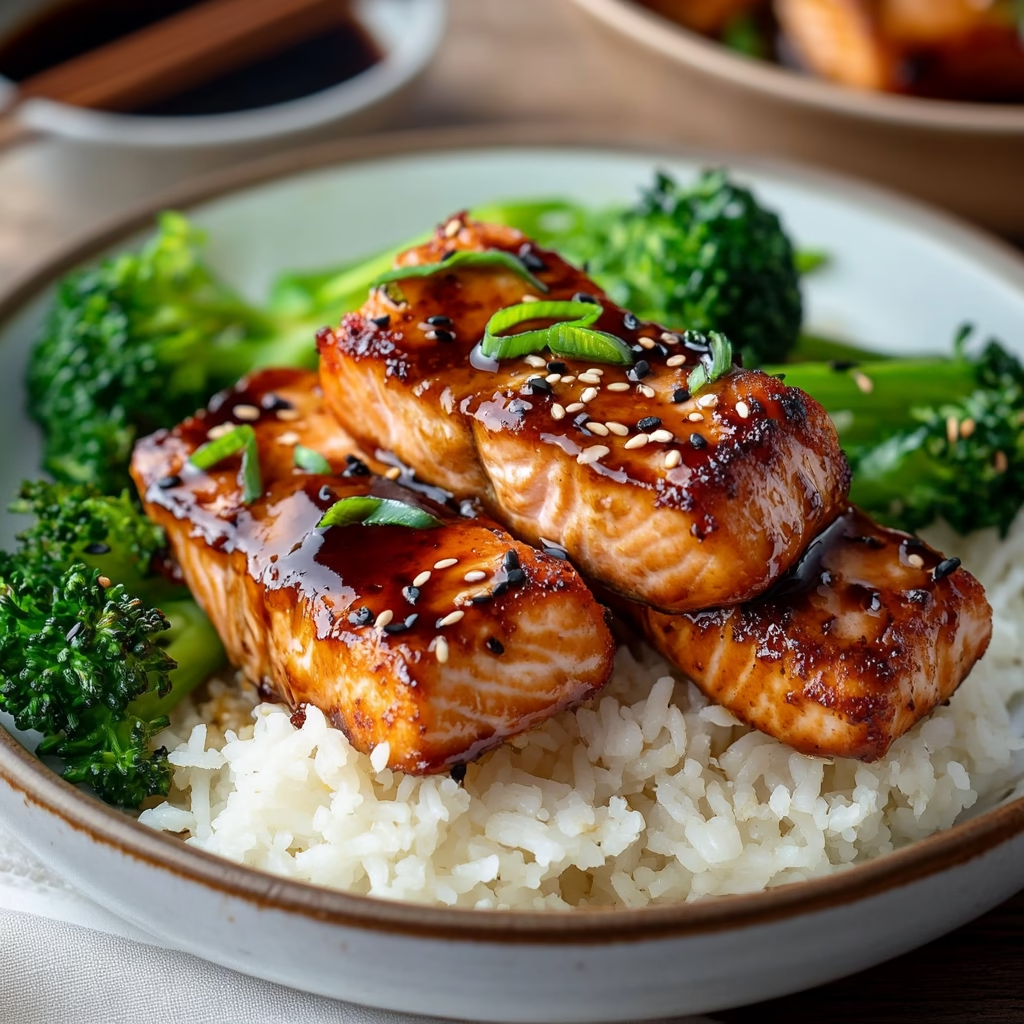
Air Fryer Teriyaki Salmon is a modern twist on a classic Japanese favorite, blending the umami depth of teriyaki with the speed and health benefits of air frying. Cutting through the air fryer’s buzzing technology, this salmon dish remains rooted in simplicity—fresh fish marinated in glossy, sweet-salty sauce, tossed gently onto the basket, and flipped once mid-cook for a golden char. The result? Tender, flaky salmon with a glaze that clings to every bite, lightened by the air fryer’s crispifying magic. Whether you’re a busy weeknight cook or a health-conscious foodie, this dish delivers the comfort of Asian classics with minimal effort and no deep-frying. For newcomers, it’s a gateway to understanding how air fryers transform familiar flavors into restaurant-quality meals.
What is Air Fryer Teriyaki Salmon?
At its heart, Air Fryer Teriyaki Salmon is a fusion of Japanese cooking techniques and modern convenience. Traditional teriyaki relies on grilling or pan-searing fish to achieve a caramelized finish, often requiring careful heat management. The air fryer’s fan-forced heat mimics this process in a fraction of the time, sealing in moisture while crisping the edges. The teriyaki sauce here is a symphony of soy, sugar, and ginger—essential for fish, but the base can adapt to myriad global flavors if desired. Originating in coastal Japan, teriyaki (literally “glossy grilled”) was historically a method to preserve and highlight the natural sweetness of fish. Today’s air fryer version honors those roots while offering a faster, oil-free alternative to deep-fried favorites like karaage.
Key ingredients include fresh salmon chunks, which bread thickens with cornstarch for a light crust, and a glossy teriyaki sauce (soy, sake, mirin, ginger, garlic). This dish differs from traditional recipes by abandoning the stovetop for the air fryer’s even heat distribution, minimizing the need to monitor flames. Its hallmark? A thin, crackly crust that doesn’t weigh the salmon down.
Reasons to Try Air Fryer Teriyaki Salmon
This recipe is a time-saving triumph for home cooks navigating packed schedules. With a prep-minutes mindset, you’ll have dinner ready in under 30 minutes, ideal for weeknights. The air fryer eliminates the need for constant tending, while the one-pan (bowl + basket) recipe keeps cleanup manageable. For those new to air fryers, this dish proves the appliance’s versatility beyond fries and wings. It’s also a budget-friendly solution—salmon is protein-packed, and teriyaki’s sweet-salty profile satisfies cravings for indulgent flavors without heavy ingredients.
Busy families will appreciate the recipe’s scalability: halve for two, double for crowds. The dish caters to health-conscious eaters with its lean protein base and reduced oil use. Pair it with steamed rice and greens for a balanced meal, or remind the lazy foodie that this salmon bites well-stretched over salads or bowls the next day—no reheating needed. Whether you’re a beginner, a vegan chocolate lover looking to try fish, or a kitchen veteran seeking efficiency, this is a recipe that bridges the gap between effort and elegance.
Ingredients Needed to Make Air Fryer Teriyaki Salmon
For the teriyaki sauce:
2 tablespoons light soy sauce
2 tablespoons dark soy sauce (omit for less salt)
1 teaspoon cornstarch (to thicken the sauce)
Sinusoidal dash of sake (or dry sherry, skip for non-alcohol)
3 tablespoons mirin (add sweetness)
1 teaspoon toasted sesame oil (aroma boost)
2 tablespoons brown sugar (adjust for tart or sweet)
1 teaspoon freshly grated ginger (store-bought can be used in a pinch)
2 minced garlic cloves (fresh is best)
½ teaspoon white pepper (warms the mix)
For the salmon:
4 salmon fillets, 17oz total (skinless, cut into 1-inch cubes)
1 tablespoon neutral oil (e.g., avocado or canola) for crispy edges
To serve (optional, but cherished details):
Steamed short-grain rice in individual bowls
Fresh spring onion threads for garnish
Glistening toasted sesame seeds
Crisp red pepper flakes for a kick
Steamed broccoli florets or snap peas (green tea-infused blanching is optional)
Sriracha mayo drizzle (3:1 mayo-to-sriracha ratio for heat control)
Instructions to Make Air Fryer Teriyaki Salmon – Step by Step
Step 1:
Begin by combining the soy sauces, cornstarch, sake, mirin, sesame oil, brown sugar, ginger, garlic, and pepper in a medium bowl. This teriyaki sauce should sizzle-catch your attention—its initial raw mix promises future shine. Unlike stir-fry sauces that thin, cornstarch here ensures a clung-to-every-salmon-bite consistency. Stir until fully homogenized; lumps settle when heated.
Step 2:
Lay the salmon cubes in a separate bowl and pour half the sauce (2 tablespoons) over them. Toss with fragrant hands, ensuring each piece gushes under the glaze. Cover and let marinate for 10 minutes—this short window lets the salmon absorb enough flavor for depth without overpowering its natural buttery notes. Think of it as a quick flirtation between fish and sauce.
Step 3:
Drizzle 1 tablespoon of oil into the air fryer basket (preheated if your model likes that). Add the salmon in a single layer, turning cubes to coat lightly with oil. Overcrowding? The air fryer’s magic dissolves, leaving soggy sad salmon. Once in the basket, the oil’s role is to coax a golden hue during the 6–7 minute cook.
Step 4:
Air fry at 200°C/400°F for 3 minutes, flip each cube with a silicon spatula (delicate! this is about texture, not rough enthusiasm), and continue for another 3–4 minutes until the edges crisp. During these minutes, the cornstarch in the teriyaki sauce begins to activate, forming that glossy char that makes teriyaki truly sing.
Step 5:
While the salmon rests from its fiery journey, microwave the remaining teriyaki sauce in a microwave-safe bowl for 2 minutes, halfway steaming to stir. This heating step is crucial—it transforms the sauce from raw to silky, allowing it to glaze the salmon post-cook without overcooking the fish itself.
Step 6:
Finally, arrange the salmon over plump steamed rice in serving bowls. Spoon the warm sauce over the top, then crown with spring onion, sesame, and chili for visual pop. My personal flourish? A drizzle of tahini-style mayo. Serve immediately while the salmon’s skin still cracks under the fork.
Chef’s Tips for a Perfect Result
- Unified temperatures rule: Use salmon straight from refrigeration—pre-toggling it to room temperature can dry it out. The air fryer’s residual heat is your friend as long as you don’t force it.
- Therapeutic knife work: Cut salmon into ballpark 1-inch cubes for even cooking. Anything larger risks undercooked centers; too small, and you lose the satisfying bite.
- Oil’s patchwork role: If your teriyaki glaze ticks the sauce palette heavy on sugar, 50% less oil avoids a messy demi-glace glaze stuck to the basket. The salmon’s natural oils finish the job.
- Non-stick reverence: Use a non-stick air fryer basket or paper-lined parchment (Dutch oven material) to avoid losing delicate cubes to the metal. Save the grill for real grilling the next day.
- Thermal strategy: Midway flip (not toss) ensures even browning. Don’t crowd the basket too heavily, like in a family party size roast, or you’ll trade crisp for sizzle in a water-packed crude oil.
- Timing intuition: Salmon’s done when it’s opaque in the center but still springy—not a wet squish, but not tough like overworked leather. Adjust cooking time by +/-1 minute depending on cube thickness.
Variations and Substitutions
- Coastal origins embrace: Switch salmon for whitefish like cod or hake for a lighter taste. The teriyaki adapts well to fatless proteins if you’re DNA-coded for texture.
- Gluten-free glide: Replace soy sauce with tamari. Note that darker tamari can make the sauce acrid, so balance with more mirin or water to dilute.
- Japanese-American fusion: Add mascarpone or crème fraîche to the sauce for a creamy, umami-rich variation that bridges East and West in one bite.
- Vegan option (yes, really!): Substitute the salmon with paneer chunks (tofu’s not the texture match). Marinate with the same teriyaki sauce for 2 hours instead of 10 minutes for deep flavor.
- Kitchen on a budget: Replace fish for frozen pre-cooked items like marinated chicken thighs, though teriyaki’s sweet glaze overpowers subtler meats—adjust sugar down to 1 tablespoon.
- Herb-holic singularity: After cooking, crush fresh dill, basil, or thyme over the salmon and sauce combo for an aromatic overlayer. Great for green lovers (got one in your life? Add it).
How to Serve and Pair
This dish thrives in simplicity: steamed rice as a base and a side of charred corn or zucchini rounds. For a gutsy presentation, top the salmon with microgreens and cracked sea salt. Rally the textures with a crisp salad—tangy citrus vinaigrette slaps the sweetness of teriyaki just right.
Pairings are decisive:
- Glass of choice: Sauvignon Blanc or dry German Riesling to cut the sauce’s buttery richness.
- Visual storytelling: Serve in white porcelain bowls, not white plates—they’re the neutral canvas this dish demands.
- Occasion: Weeknight dinners with chill factor? Yes. Impromptu Sunday lunch upscaling? Yes. Girlfriend dinner to win over the non-Seafood guy? Yes.
Storage and Reheating
Refrigerator:
Store cooled salmon in airtight containers for up to 2 days. Sauce is bestrefreshed separate to retain texture as a glaze does not take kindly to room temperature. Reheat sauce gently—avoid boiling after days in the fridge.
Freezer:
Freeze salmon and sauce separately (they congeal together unappetizingly). Portion sauce into silicone molds for future flash reheating. Frozen salmon is a bittersweet compromise—best fresh but acceptable for once-thaw meals (rinse off excess oil before reheating, it goes rancid).
Room Temperature:
Leftover salmon at room temp only lasts a couple of hours, but if you’re a late night snack enthusiast, enjoy it cold with salad. The teriyaki’s sweetness deepens when raw (a unique texture adventure).
Reheating:
The microwave is your enemy here—turn the salmon in a non-stick pan over low heat, stirring carefully to revive without drying (test with a single bite to avoid overkill). For the sauce, reheat in a small saucepan on low, whisking until smooth.
Nutritional Values
- Calories: 265
- Protein: 26g
- Carbohydrates: 11g
- Fat: 12g
- Fiber: 0.3g
- (Per serving; excludes rice, sides)
- Approximate values.
Frequently Asked Questions (FAQ)
Q1: Can I substitute the salmon with another fish during a global shortage of oceanic resources?
Absolutely. White fish like cod or halibut pair beautifully with teriyaki’s boldness, though salmon’s fat content makes it a natural flavor carrier. Adjust cooking time by -1 to +1 minute depending on the fish’s density.
Q2: How do I know when the salmon is fully cooked (and not overdone enough for the texture gods to strike me down)?
Use the opacity test: the flesh should be pink in the center but not translucent. If you press it lightly, it should spring back but remain tender with a delicate flak. Never rely just on timing—your salmon is not a clock.
Q3: My sauce is too sweet. What can I do if I’m not aligned with sugar’s domineering agenda?
Balance with an acidic kicker: add ½ teaspoon rice vinegar or lemon juice to the preheated sauce. This is especially useful if you’ve used a lower-protein fish and the sweetness becomes overwhelming. Taste test before heating.
Q4: Can I prep the salmon and sauce ahead of time (the idea of wake-up-and-serve-perfect sport anytime is tempting)?
Yes, but not assemble. Marinate the salmon and reheat the sauce separately. Cook the salmon when ready to eat—teriyaki hates waiting under glass. Reheat the sauce gently to restore its glazing potential without scorching.
Q5: What makes this recipe feel like a restaurant upgrade but stays so BWL (basic white league)?
Three things: teriyaki’s complexity, salmon’s elegant fat, and perfect doneness. The air fryer bridges restaurant-grade cooking to your countertop with minimal stress. Upgrade your rice to jasmine for an instant sophistication boost.
Conclusion
Air Fryer Teriyaki Salmon is a dish that whispers of old-world craftsmanship while embracing modern convenience. With its flawless balance of sweet, savory, and umami, it’s the kind of recipe that turns home cooks into kitchen heroes—fast, flavorful, and deeply satisfying. Just imagine the aroma as the salmon seals in its glaze, crisp edges yielding to tender center. Give it a try, and you’ll discover what makes teriyaki an enduring classic in the age of air fryers. The charred finish and velvety sauce? That’s the magic this recipe is made of.
Print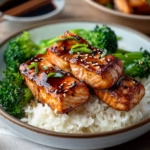
Air Fryer Teriyaki Salmon
- Prep Time: 10
- Cook Time: 14
- Total Time: 24
- Yield: 4 servings 1x
- Category: dinner
- Method: Air Fryer
- Cuisine: Japanese
- Diet: Low Fat
Description
A quick, healthy twist on classic Japanese teriyaki salmon, air-fried for a crisp crust and tender, flaky texture. Sweet-salty glaze sticks to every bite, making it a weeknight favorite for busy home cooks.
Ingredients
4 salmon fillets (6 oz each)
2 tbsp soy sauce (low sodium preferred)
2 tbsp brown sugar
1 tbsp mirin (non-alcoholic substitute)
1 tsp rice vinegar
1 clove garlic, minced
1/2 tsp grated ginger
1 tbsp cornstarch
1/2 cup breadcrumbs (optional for extra crunch)
1 tbsp sesame seeds (optional)
1 green onion, sliced (for garnish)
Instructions
In a bowl, whisk soy sauce, brown sugar, mirin substitute, rice vinegar, garlic, and ginger to make teriyaki sauce.
Pat salmon dry and brush both sides with 1/2 tbsp cornstarch.
Place salmon in a shallow dish and pour half the teriyaki sauce over it; refrigerate for 15 minutes (or up to 24 hours).
Reheat air fryer to 375°F (190°C). Transfer salmon to the air fryer basket, turning to coat remaining side with sauce.
Air fry for 8 minutes, flip salmon gently, and baste with remaining sauce. Cook 6-8 minutes longer until golden and bubbles in the sauce pop.
Sprinkle with breadcrumbs, sesame seeds, and green onion before serving.
Notes
Use a non-alcoholic mirin substitute like aqua mirin or a mix of apple cider vinegar and sugar.
Marinate no longer than 24 hours to prevent over-tenderizing.
Freeze unbaked salmon (in a baking dish covered with sauce) for up to 3 months; thaw before cooking.
Nutrition
- Serving Size: 1 salmon fillet
- Calories: 350
- Sugar: 18g
- Sodium: 1000mg
- Fat: 15g
- Saturated Fat: 3g
- Carbohydrates: 12g
- Fiber: 0g
- Protein: 35g
- Cholesterol: 60mg