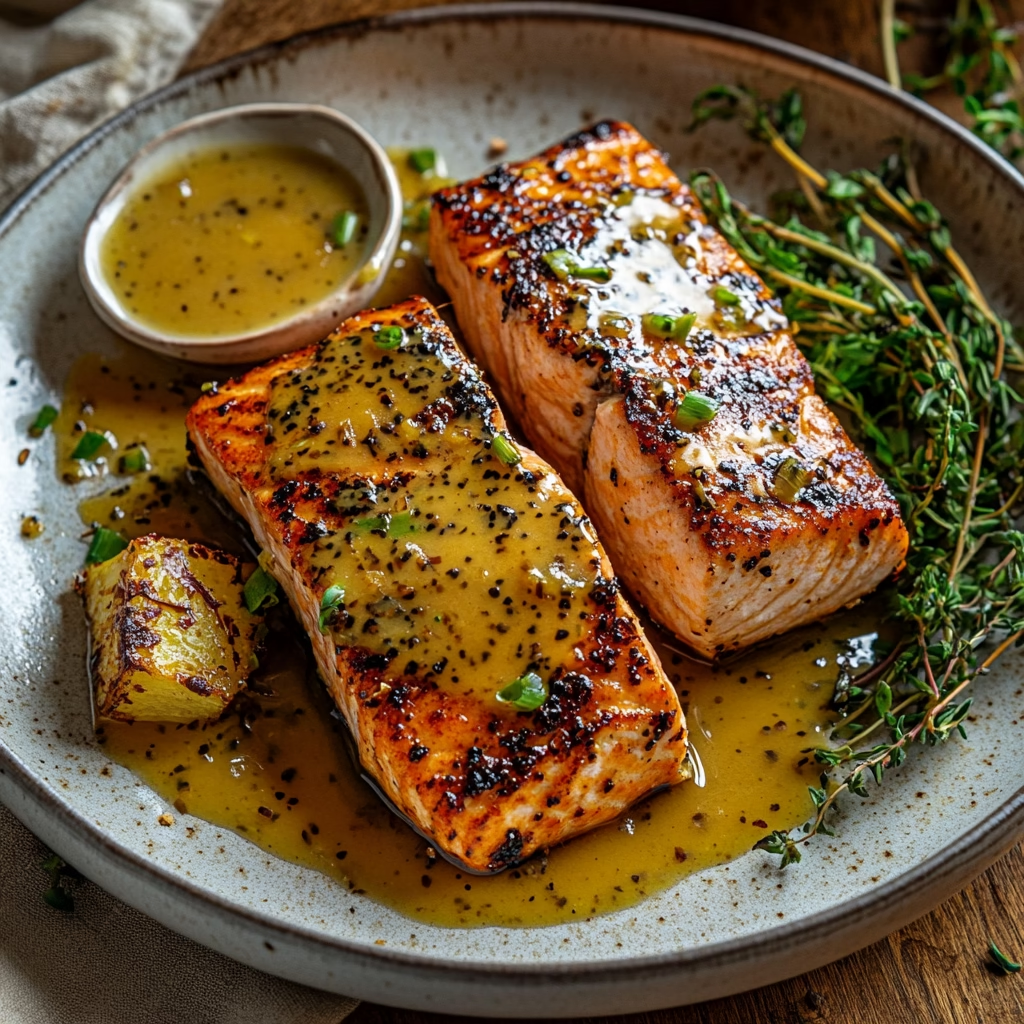
Air Fryer Honey Mustard Salmon is the kind of dish that makes you wonder why you didn’t try this sooner. With its golden, crispy finish and the perfect balance of sweetness and tang, it’s a flavor-packed recipe that delivers every time. Whether you’re a busy home cook, a seafood lover, or just looking for something fresh and flavorful, this recipe hits all the right notes. Made with simple, natural ingredients and ready in just minutes, it’s the kind of salmon that feels like a special occasion yet fits seamlessly into your weeknight dinner rotation.
There’s something about the marriage of Dijon mustard and honey that adds depth to the salmon—rich, bold, and just a little smoky. Toss in the garlic, paprika, and a drizzle of olive oil, and you’ve got a glaze that clings perfectly to the fish while crisping up in the hot air fryer. The result is a dish that feels like restaurant quality from the comfort of your kitchen.
What is Air Fryer Honey Mustard Salmon?
Air Fryer Honey Mustard Salmon is a modern, fast, and flavorful take on a classic seafood recipe. It’s salmon fillets coated in a homemade glaze made with Dijon mustard, honey, and warm spices that get air-fried to golden, crispy perfection. While salmon has been a staple in coastal cuisines for centuries, modern cooking techniques like air frying bring new textures and speed to the table.
This version of honey mustard salmon is a relatively new take that has gained popularity due to how well the glaze caramelizes in the air fryer. Unlike traditional baked salmon, air frying creates a slightly crisp texture on the surface while locking in the moisture of the fish. It’s the best of both worlds—a restaurant-quality finish with minimal effort and clean-up. The glaze’s tangy sweetness complements the natural fattiness of the salmon, making each bite both rich and refreshed.
Reasons to Try Air Fryer Honey Mustard Salmon
There’s a reason this recipe has become a favorite in many home kitchens. For starters, it’s incredibly quick to make—usually ready in less than 15 minutes. The air fryer’s efficiency cuts down cooking time while still producing excellent results. Whether you’re rushing to get dinner on the table or simply prefer less time in the kitchen, it’s a win-win.
Another big plus is its versatility. The honey mustard glaze works beautifully on chicken, shrimp, or even white fish like cod or tilapia. Even if you’re a beginner in the kitchen, this recipe requires minimal prep and no intimidating techniques. You don’t need to be a seasoned chef to get a tender, juicy, and perfectly seared piece of salmon.
It’s also incredibly health-conscious. The glaze skips the sugar-heavy ketchup bases found in many store-bought sauces and keeps it natural with just a touch of honey and a punch of Dijon. Plus, using an air fryer means you get a crispy texture with a fraction of the oil you’d typically need for pan-frying.
Ingredients Needed to Make Air Fryer Honey Mustard Salmon
2 salmon fillets (about 6 oz each)
2 tbsp Dijon mustard
1 tbsp honey
1 tbsp olive oil
½ tsp garlic powder
½ tsp paprika
¼ tsp salt
¼ tsp black pepper
Instructions to Make Air Fryer Honey Mustard Salmon – Step by Step
Step 1: Start by prepping the honey mustard glaze. In a small bowl, whisk together the Dijon mustard, honey, olive oil, garlic powder, paprika, salt, and black pepper. Taste it and adjust the sweetness or tanginess—this is your chance to personalize it. For a more smoky flavor, you could add a dash of smoked paprika or even a bit more honey for extra sweetness if the mustard is on the sharp side.
Step 2: While the glaze is being whisked, pat the salmon fillets dry using a paper towel or clean kitchen towel. This step is important because a dry surface helps the glaze adhere beautifully without sliding or dripping off during cooking. Once the salmon is dry, gently brush the honey mustard mixture over the top and sides of each fillet, making sure the glaze is evenly distributed but not too thick—thin enough that you still see some of the salmon skin showing through. This glaze layer not only adds flavor but also creates a slightly caramelized crust when it hits the hot air fryer.
Step 3: Set your air fryer to 390°F (200°C) and let it preheat for 2 to 3 minutes. This preheating step ensures the salmon enters a consistently hot space and starts cooking right away, helping to develop that perfect crust and even doneness without drying out the fish. If you’re unsure about your air fryer’s temperature settings, refer to the user manual—some models adjust temperature differently, so preheating is key to best results.
Step 4: Carefully place the salmon fillets in the air fryer basket. If the salmon has skin, lay it skin-side down to help retain moisture. You can place the fillets directly in the air fryer basket or on a small cooking sheet if it helps with even heat distribution. Cook for 8 to 10 minutes, depending on the thickness of your fillets. To check if the salmon is done, gently press down on the thickest part with a fork; the salmon should flake easily and no longer appear translucent in the middle. You can also use a meat thermometer to confirm the internal temperature has reached around 145°F (63°C), the FDA-recommended temperature for cooked salmon. The glaze will turn a beautiful amber color and slightly crisp during the cooking time—this is when the salmon looks its most appetizing.
Step 5: Once the salmon is done, let it rest for 2 minutes on a clean plate or cutting board. This pause gives the juices time to redistribute throughout the fillets, meaning the salmon stays moist rather than becoming dry when you begin to eat it. If you’re in a rush to serve, it’s best to wait—even a little extra rest time makes a noticeable difference in overall texture and taste. For the final touch, you can garnish with a sprinkle of fresh dill or parsley to add a bright, herbal note that complements the honey mustard glaze. Serve it as-is or over a bed of rice, with a simple salad, or steamed vegetables.
Chef’s Tips for a Perfect Result
- Patting the salmon dry before glazing is essential—this helps the sauce stick and cook more evenly, reducing excess moisture that might otherwise prevent the glaze from caramelizing properly.
- Preheat your air fryer for at least 2 minutes so the salmon starts cooking in a hot environment, giving the glaze a chance to caramelize and the fillets to develop a nice, crisp exterior.
- Use salmon fillets that are roughly the same thickness to ensure even cooking—this way, neither fillet becomes overdone while the other remains undercooked. If they vary, adjust the cooking time accordingly.
- If the glaze is too runny or drips too much during cooking, you can refrigerate the salmon for a few minutes after glazing so the mixture slightly firms up before air frying.
- To make this recipe ahead—especially if you’re serving for a crowd—glaze the salmon and store it in the refrigerator until you’re ready to cook. The flavors will deepen slightly during the rest.
- For a richer flavor, try adding a few drops of lemon juice to the glaze—it brightens the sweetness without overpowering the rest of the flavor.
Variations and Substitutions
Vegan Option: To make this recipe suitable for a vegan diet, use a vegan mayonnaise or a dairy-free alternative as the base for the glaze (instead of regular mustard), and substitute the honey with agave or maple syrup. Also, ensure your salmon is plant-based for a fully vegan dish.
Gluten-Free Alternative: Check that your Dijon mustard is labeled “gluten-free” and not simply labeled “no wheat,” as some mustards may still contain gluten trace from the production process. For a safe substitute, look for a naturally gluten-free brand of mustard to eliminate any cross-contamination risks.
Low-Carb Version: This recipe is already low in carbs, but if you want to reduce it even further, consider using a sugar-free honey option or a sugar substitute like monk fruit or allulose in place of the regular honey. This will give the glaze a similar flavor profile with minimal added carbs.
Family-Friendly Swap: If your kids aren’t into sweet and tangy flavors, simplify the glaze by reducing the honey and adding a touch of Worcestershire sauce or a pinch of smoked paprika to give it more depth without sweetness. This makes it more palatable for young taste buds while still adding flavor.
How to Serve and Pair
Air Fryer Honey Mustard Salmon is a versatile centerpiece that pairs beautifully with a variety of sides. For a balanced meal, try serving it over white or brown rice, with a side of quick sautéed spinach with garlic or a simple steamed green vegetable like asparagus or broccoli. A creamy dill sauce or a squeeze of fresh lemon can elevate the dish even further.
For a more elegant presentation, arrange the salmon on a white, clean plate with a few fresh herbs and edible flowers to make it look restaurant-worthy. For gatherings or holidays, serve it alongside mashed sweet potatoes, roasted brussels sprouts, or a simple fruit chutney to add some brightness and texture.
This recipe is also a great base for customization. You can wrap the salmon in a warm flour tortilla for a quick and satisfying salmon wrap, or use it in a salad by placing the baked salmon on a bed of mixed greens with a light vinaigrette and crumbled feta or goat cheese. The possibilities are endless and depend on your taste and creativity!
If you’re hosting a dinner party, this air fryer salmon makes a great appetizer if cut into smaller portions and served on skewers. Top it with a small dollop of sour cream or a tangy yogurt-based sauce for an extra touch of flavor and presentation flair.
Storage and Reheating
Refrigerator: Store any leftover salmon in an airtight container in the refrigerator for up to 2 days. To maintain moisture, you can lightly wrap the salmon in plastic wrap or place it in a container with a lid. Don’t let it sit out uncovered for long, as the moisture will dry it out quickly.
Freezer: While the glaze does not freeze well over time, you can still freeze the salmon itself. Wrap the salmon tightly in plastic wrap and then in foil before placing it in a heavy-duty freezer bag. It can be stored in the freezer for up to 2 months. Thaw in the refrigerator overnight before reheating.
Room Temperature: For short-term storage, you can let the salmon sit out for a few hours, but it’s best to cook and serve it within 2 hours. This is best when you’re not planning to keep the leftovers overnight and want to enjoy it fresh for the next meal.
Reheating: For the best results, gently reheat the salmon in a preheated oven at 300°F (150°C) for 5 to 7 minutes, or until it’s warmed through. You can also use the air fryer at 325°F for 2 to 3 minutes. Avoid using the microwave, which tends to make the salmon dry. If the glaze feels a bit dry, you can brush a small amount of olive oil or a splash of water over the top before warming to help regain some moisture.
Nutritional Values
- Calories: 250
- Protein: 24g
- Carbohydrates: 6g
- Fat: 12g
- Fiber: 0g
Approximate values.
Frequently Asked Questions
How can I substitute the honey if I want a healthier option?
If you prefer a lower-sugar or natural sweetener alternative, you can use maple syrup, agave nectar, or even a touch of mashed banana. These will all add sweetness and depth, just like honey, without the processed sugar content.
How do I know when the salmon is done cooking in the air fryer?
Salmon is done when it flakes easily with a fork and turns opaque throughout. The texture will feel firm when touched, and there will be no translucent portions. You can also use a meat thermometer to confirm the internal temperature reaches 145°F (63°C) in the thickest part.
Can I cook the salmon without a skin on?
Absolutely. If the salmon fillets are skinless, simply place them in the air fryer and cook for the same time. The glaze will help keep the fish moist. If you want some extra protection from drying out, try placing a small piece of parchment paper under the salmon in the air fryer.
How can I make this recipe ahead of time?
Prepare the glaze up to 24 hours in advance and store it in the refrigerator. The salmon can also be glazed the night before you plan to cook and stored in the fridge until you’re ready to use it. This is a great option for meal prep or for busy weeknight dinners when time is limited.
What are the best sides to serve with this salmon?
This salmon pairs beautifully with steamed vegetables like asparagus or zucchini, roasted potatoes or sweet potatoes, or a grain such as quinoa or farro. A fresh arugula salad with a light vinaigrette would also provide a nice counterbalance to the sweetness of the glaze.
Conclusion
Air Fryer Honey Mustard Salmon is a quick, elegant, and flavor-packed dish that brings together the best of fresh ingredients in a single, satisfying plate. With its balance of tangy, sweet, and smoky notes, it’s a recipe that feels both comforting and exciting. Try it soon—it will not only bring joy to your kitchen but also make your taste buds sing with each bite.
Print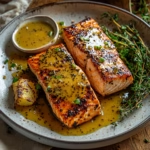
Air Fryer Honey Mustard Salmon
- Prep Time: 10
- Cook Time: 15
- Total Time: 25
- Yield: 4 servings 1x
- Category: dinner
- Method: Air Frying
- Cuisine: American
- Diet: Low-Carb
Description
A quick, crispy, and flavorful dish with honey-Dijon glaze. Air-fried salmon fillets deliver restaurant-quality texture with minimal effort, perfect for weeknight dinners or special occasions.
Ingredients
4 salmon fillets (6–8 oz each)
3 tbsp Dijon mustard
2 tbsp honey
1 clove garlic, minced
1 tsp paprika
1 tbsp olive oil
1/2 tsp salt
1/4 tsp black pepper
Instructions
Preheat air fryer to 375°F (190°C)
In a small bowl, whisk Dijon mustard, honey, garlic, paprika, and olive oil until smooth
Season salmon fillets with salt and pepper
Brush glaze generously over both sides of the fillets
Place in air fryer basket in a single layer
Air fry for 12–15 minutes, until golden and flaky
Let rest 3–5 minutes before serving
Notes
Use skin-on fillets for extra crispiness
Glaze can be doubled for extra coating
Serve with steamed vegetables or brown rice
Store leftovers in an airtight container for up to 2 days
Nutrition
- Serving Size: 1 salmon fillet
- Calories: 380
- Sugar: 8g
- Sodium: 450mg
- Fat: 25g
- Saturated Fat: 5g
- Carbohydrates: 10g
- Fiber: 0.2g
- Protein: 32g
- Cholesterol: 110mg