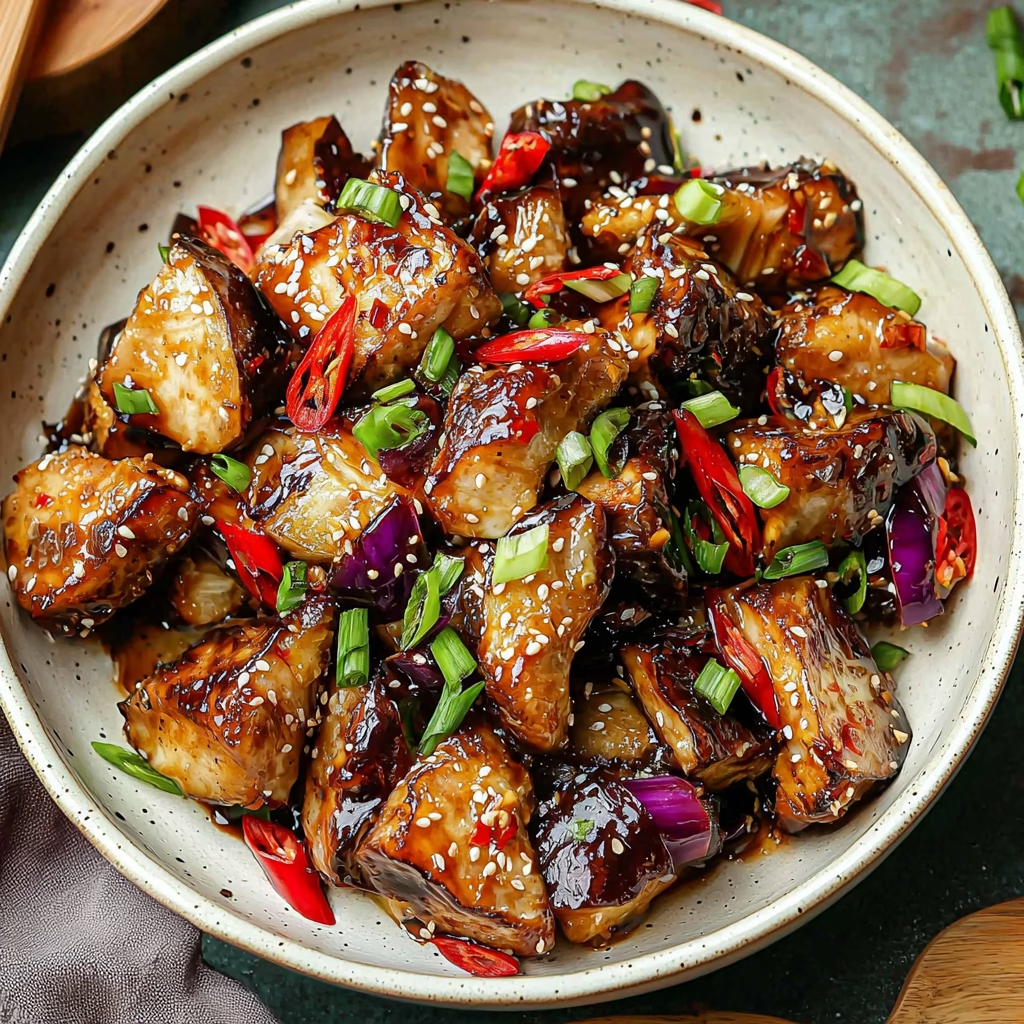
Air Fryer Chinese Eggplant unlocks the tender, nutty heart of the eggplant while building an irresistible golden crust made easier by modern kitchen tech. This version replaces traditional deep-frying with avocado oil and tapioca starch, creating a meal that’s both low-effort and restaurant-worthy. If you grew up charred-broiling eggplant on a Chinese wok in the summer, you’ll love how the air fryer preserves that smoky texture without requiring high heat or heavy oil.
The key to mastering this recipe lies in the slicing technique—angled wedges hold their shape while caramelizing, and the salted rest draws out moisture for cleaner browning. I first stumbled onto this method after a failed attempt at perfectly crisp rounds; adding a slight spiral cut instead transformed them into bite-sized wonders. For a quick weeknight dinner or a summer barbecue side, these air-fryer eggplants deliver with minimal cleanup and maximum flavor.
What is Air Fryer Chinese Eggplant?
Chinese eggplant (often called ‘long eggplant’) is distinct from the globe-shaped variety you find in most U.S. stores. Its elongated form holds a sweeter, less bitter profile and a denser flesh that responds beautifully to quick roasting or frying. Traditionally, Chinese eggplant is stir-fried, steamed, or grilled, but the air fryer offers a contemporary twist—creating a crispy skin without the oil-soaked guilt or the messy stovetop smoke.
This adaptation uses coconut aminos (a gluten-free tamari alternative) and aged balsamic for a tangy, umami-rich glaze that balances the eggplant’s earthiness. Garlic and rice vinegar add brightness, while toasted sesame seeds contribute a delicate crunch. For those avoiding salt, the recipe works equally well with reduced-cooked versions—simply adjust the final sauce’s sodium level to taste.
The dish’s roots lie in northern Chinese home cooking, where eggplant is often charred to perfection over an open flame before being brushed with savory-sweet mixtures. Using an air fryer maintains that char, but with a gentler, controlled heat that prevents overcooking. It’s the kind of recipe that bridges cultures and appliances, offering a fresh take on a beloved vegetable dish.
Reasons to Try Air Fryer Chinese Eggplant
Why spend 20+ minutes stir-frying eggplant at high heat in the summer when the air fryer can do it in less than 8? This recipe is designed for efficiency without sacrificing the soul of Chinese cuisine. The air fryer’s even heat ensures every wedge cooks perfectly flat against the basket, and the tapioca starch coating keeps them from turning into mush.
It’s also a budget-friendly option for families and plant-forward eaters. Chinese eggplant often costs less than its globe-shaped cousin, and the recipe uses pantry staples like rice vinegar and garlic to build depth. Even gluten-free diners will appreciate the coconut aminos substitution. And let’s not forget the texture—crisp on the outside, butter-soft inside, with a balsamic kiss that brings the whole dish to life.
For home cooks who find traditional eggplant recipes frustrating, this version eliminates guesswork. It’s fail-safe for beginners and satisfying enough for experienced cooks. Whether you want to pair these with rice bowls, noodle dishes, or simply enjoy them as a snack, the air fryer keeps the process fresh and intuitive. Plus, the garlic-balsamic sauce doubles as a marinade for other vegetables or a drizzle over greens for a quick salad upgrade.
Ingredients Needed to Make Air Fryer Chinese Eggplant
1 lb Chinese eggplant (2 long, fresh stems intact)
½ tsp coarse sea salt (if bitter eggplant needs brining)
2 tbsp avocado oil (for golden frying; olive oil works but may smoke)
2 tbsp tapioca starch (1 tbsp coated, 1 tbsp mixed into sauce for gloss)
Coconut milk (optional, for a creamier twist when blending with coconut aminos)
Sauce:
1 tbsp coconut aminos (substitute soy sauce for gluten-free options)
1 tsp rice vinegar (adds tang without overpowering)
1 tsp aged balsamic vinegar (for depth, or blend with raw balsamic and maple syrup)
0.2 oz grated garlic (2 medium cloves; press for better flavor release)
Garnish:
1 spring onion (sliced to avoid bitterness)
Toasted white sesame seeds (stir-fry briefly for nutty aroma)
3 whole Thai red chili peppers (sliced thin for heat; omit for kids’ palates)
Instructions to Make Air Fryer Chinese Eggplant – Step by Step
Step 1: Begin by holding the Chinese eggplant at a 45-degree angle like a loaf of bread. Use a sharp chef’s knife to make angled cuts approximately 2 inches wide. Roll the remaining stalk 90 degrees after each slice and repeat until you have 4–6 wedges per eggplant. These slanted rounds prevent them from rolling during air frying, ensuring even contact with the basket. If using globe eggplant, trim it into similar slabs (½-inch thickness) for best results.
Step 2: For those curious about avoiding excess moisture, this is where the trick lies. Spread the wedges on a parchment-lined baking sheet and gently sprinkle the sea salt over them. Use your hands to massage the salt into the flesh—think of it as seasoning the fibers rather than brute-force rubbing. Let sit for 15 minutes, then pat dry with paper towels. I learned this from my aunt’s old-school eggplant recipes; even when you salt, the tapioca starch will absorb surface moisture for a crisp finish.
Step 3: Toss the eggplant in a large bowl with avocado oil until no dry spots remain. Add 1 tbsp tapioca starch and gently toss (think of coating chicken tenders evenly). Repeat with the remaining starch, using a spatula to lift and flip—any over-tossing will cause the delicate skin to tear. Once fully coated, the goal is a thin, shimmery layer that promotes browning without heaviness.
Step 4: Lightly spray the air fryer basket with oil to prevent sticking, then place the eggplant in a single layer with 1 inch of space between each piece. This is crucial—overcrowding leads to steaming instead of crisping. A recent batch I tried without this spacing resulted in soggy slices, so don’t skip it. Spray the top lightly with oil again for a golden sheen.
Step 5: Set the air fryer to 400°F and cook for 5 minutes. Flip the wedges gently with tongs or a spatula, then return to the air fryer with an extra layer of oil mist. Cook for 3 more minutes until the edges curl and the undersides turn a deep, mahogany color. I’ve found that the first 5 minutes build the base texture, while the final 3 minutes develop that smoky, charred aroma characteristic of Chinese street food.
Step 6: While the eggplant fries, whisk the sauce in a separate bowl. Combine coconut aminos, rice vinegar, aged balsamic, and grated garlic. Add a pinch of tapioca starch to the mixture and stir until fully dissolved—it thickens the sauce just enough to cling to the eggplant without dripping. I keep a ¼ cup of reserved sauce for serving, adding it to the plate for dipping or extra brush-on flavor.
Step 7: After the 8-minute cook cycle, carefully lift the basket onto the counter. Let the eggplant rest for 1 minute; this stops the moisture from softening the crust. Lightly brush the tops with remaining sauce using a small soft brush—this step feels like painting each slice with golden color. Garnish with toasted sesame seeds and spring onions, which add a pop of freshness to counterbalance the richness.
Step 8: Serve immediately while the crust is still giving way to tender flesh. For extra heat, slice Thai chilies ahead of time and sprinkle over each wedge. This dish pairs brilliantly with steamed jasmine rice or light noodle bowls, but I’ve also seen it shine as a charcuterie board alternative with fermented foods and pickled ginger for a modern tapas twist.
Chef’s Tips for a Perfect Result
- Pre-salt only if the eggplant feels spongy. Chinese varieties usually have less moisture, so the step is optional.
- Use avocado oil instead of olive oil. Its higher smoke point prevents acrid bitterness during air frying.
- Double the tapioca starch if making ahead. It thickens the sauce slightly during resting, keeping it fresh for a few hours.
- Don’t reuse oil for multiple batches. The starch and eggplant residue can smoke and discolor the next batch.
- Serve lukewarm (not cold) to feel the full contrast between the crispy skin and buttery inside.
Variations and Substitutions
Vegan Option
- Replace coconut aminos with tamari or soy sauce (certified gluten-free brands).
- Swap aged balsamic with black garlic paste. The fermented depth still works well with eggplant.
Gluten-Free Alternative
- Use tamari instead of coconut aminos (especially if you’re not avoiding soy entirely).
- Confirm all seasoning labels for hidden gluten—some soy sauces add vinegar with wheat.
Low-Carb Version
- Serve the eggplant on a bed of zucchini noodles or cauliflower rice (skip starch for coating).
- Use a sugar-free balsamic blend if avoiding natural sugars in the sauce.
Budget Swap
- Replace avocado oil with canola or sunflower oil (check smoke point matches air fryer temps).
- Use store-brand tamari or tamari-infused vinegar to cut costs.
Smoky Flavor Boost
- Add a tsp of smoked paprika to the starchy coating before air frying.
- For char, broil wedges under the oven’s element for 60 seconds after air frying.
How to Serve and Pair
These eggplant pieces are best served as a main component in grain bowls or as part of a summer salad with toasted cashews and red cabbage slaw. For a classic pairing, serve with chili garlic noodles or soy sauce marinated tofu for a balanced meal. Leftover eggplant is surprisingly versatile—slice thinly for eggplant parmesan stacks without breadcrumbs or add to stir-fried bok choy for extra substance.
Presentation matters even with street-style cooking. Plate the wedges on a warm ceramic dish, letting the sauce drizzle into the corners (don’t drench the dish). Garnish with sesame seeds and spring onions just before serving to maintain their vibrancy. At backyard barbecues, try stacking them on bamboo skewers and drizzling with sauce mid-cook for a fusion kebab twist. They’re even good in a bento box if sealed properly for travel.
Storage and Reheating
Refrigerator
Store leftovers in an airtight container layered between paper towels for 3–4 days. The paper absorbs excess moisture, but the wedges won’t retain full crispiness after 24 hours. For meals ahead of time, cook to 5 minutes, chill, then re-air fry the final 3 minutes for a quick revival.
Freezer
- Uncoated eggplant slices freeze poorly; stick to cooked leftovers (toss with extra oil before freezing).
- Freeze glazed pieces in a single layer on a parchment-lined tray. After flash-freezing, stack in a freezer bag for up to 2 months.
Room Temperature
These hold well for 2 hours (covered with foil). Avoid leaving them in warm kitchens past this point—they’ll soften.
Reheating
- Best in the air fryer at 375°F for 2–3 minutes until heated through. No added oil needed.
- Oven method: Place on a wire rack over a baking sheet at 400°F for 4–5 minutes, spritzing with oil.
- Microwave: Cover with microwave-safe plastic and heat for 1 minute (add a few drops of water to revive texture).
Nutritional Values per Serving
• Calories: 174
• Protein: 1g
• Carbohydrates: 12g (fiber: 4g)
• Fat: 14g (saturated: 2g)
• Approximate values.
Frequently Asked Questions
Can I Substitute Globe Eggplant for the Chinese Type?
Yes, but cut globe eggplant into ½-inch slabs and increase salting by ¼ tsp. Their denser flesh requires slightly longer cooking time—check after 6 minutes for doneness.
How to Tell When the Eggplant is Done in the Air Fryer?
Watch for edges curling upward and a deep golden-brown sheen. Insert a toothpick—they should be tender without collapsing.
Why My Eggplant Slices Are Soggy, Not Crispy?
Overcoating with starch or under-drying the slices creates steam. Use a thin starch layer and blot eggplant thoroughly after salting for optimal results.
Can I Prep This Recipe in Advance?
Pre-salt eggplant 24 hours ahead (store in a lidded container), but toss with oil and starch within 30 minutes of cooking. Frozen glazed eggplant reheats best in 375°F air fryer for 3 minutes.
Is There a Way to Serve These Cold for a Salad?
Brush cooled wedges with extra-virginic olive oil and serve over spinach with pickled ginger and miso dressing. The balsamic caramelizes during heating, so adjust sauce for raw texture.
Conclusion
Combining the natural sweetness of Chinese eggplant with the air fryer’s precision creates a dish that’s both satisfying and simple. Whether you’re new to the appliance or want to experiment with global flavors in a healthy format, these bites deliver with every bite. The balsamic garlic glaze—dark and smoky with a whisper of acid—is what makes this recipe worth returning to, turning a humble vegetable into a standout side.
Print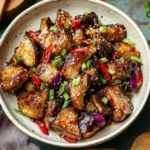
Air Fryer Chinese Eggplant Recipe – Crispy, Butter-Tender & Balsamic-Glazed
- Prep Time: 15
- Cook Time: 10
- Total Time: 25
- Yield: 4 servings 1x
- Category: dinner
- Method: Air Frying
- Cuisine: Chinese
- Diet: Vegan
Description
A modern twist on Chinese eggplant, air-fried to golden crispiness and glazed with a tangy balsamic reduction. This no-fry, no-mess meal delivers smoky char and tender bite-sized perfection in under 10 minutes.
Ingredients
1 large Chinese eggplant
1 tablespoon sea salt
2 tablespoons tapioca starch
2 tablespoons avocado oil
2 tablespoons coconut aminos
2 tablespoons aged balsamic vinegar
1 teaspoon rice vinegar
1 clove garlic, minced
1 teaspoon toasted sesame seeds
Instructions
Wash and pat dry the eggplant
Slice into 1/4-inch thick diagonal wedges
Place in a colander; sprinkle with 1 tablespoon salt. Let rest 15 minutes
Pat wedges dry thoroughly with paper towels
In a shallow bowl, mix tapioca starch with a pinch of salt
Coat each wedge evenly with the starch mixture
Drizzle with avocado oil to lightly coat the tops of the wedges
Arrange in a single layer in an air fryer basket
Air fry at 400°F (200°C) for 7 minutes
Flip wedges and air fry 2-3 more minutes until golden
Whisk coconut aminos, balsamic, rice vinegar, and garlic in a small bowl
Place air-fried eggplant in a serving dish and toss with half the glaze
Sprinkle with toasted sesame seeds
Finish with remaining glaze for a glossy finish
Notes
Use long Chinese eggplant for best flavor; globe eggplant may be substituted
Adjust sodium by using reduced-sodium coconut aminos
Store leftovers in an airtight container for 3-4 days (reheat in air fryer for best texture)
Nutrition
- Serving Size: 1 serving (5-6 wedges)
- Calories: 85
- Sugar: 3g
- Sodium: 530mg
- Fat: 5g
- Saturated Fat: 1g
- Carbohydrates: 12g
- Fiber: 3g
- Protein: 1g
- Cholesterol: 0mg